
Understanding Your Insurance Policy for Roofs
Learn how to get insurance to pay for roof replacement effectively. Understand roof insurance claims, coverage, and the insurance claim process to ensure you’re prepared for any storm damage.
Published August 20, 2026 | Last updated 2026-08-20 | 10 min read
Your roof is one of the biggest protective systems in your home, but your insurance policy does not automatically pay for every leak, stain, or worn-out shingle. Understanding what your policy covers, what documentation you need, and how the insurance claim process works can help you make better decisions after storm damage or sudden roof problems. This guide explains roof insurance claims in practical terms so you can move forward with more confidence.
What does roof insurance usually cover?
Most homeowners policies are designed to cover sudden and accidental damage, not normal aging or deferred maintenance. That means a roof damaged by a covered event, such as wind, hail, falling debris, or certain storm-related impacts, may qualify for roof repair insurance or roof replacement insurance depending on the severity of the damage and the terms of your policy.
Coverage often depends on three major factors: the cause of damage, the age and condition of the roof before the event, and the specific language in your policy. A roof that was already deteriorating may be treated differently from a well-maintained roof that was damaged during a storm. Your deductible, coverage limits, exclusions, and valuation method also affect what you may receive.
Common roof-related policy terms include:
- Covered peril: The event your policy agrees to cover, such as hail, wind, or fire.
- Exclusion: A situation your policy does not cover, such as wear and tear or poor installation.
- Deductible: The amount you pay out of pocket before insurance contributes.
- Actual cash value: Payment based on the roof’s value after depreciation.
- Replacement cost value: Payment based on the cost to replace covered damage, subject to policy terms.
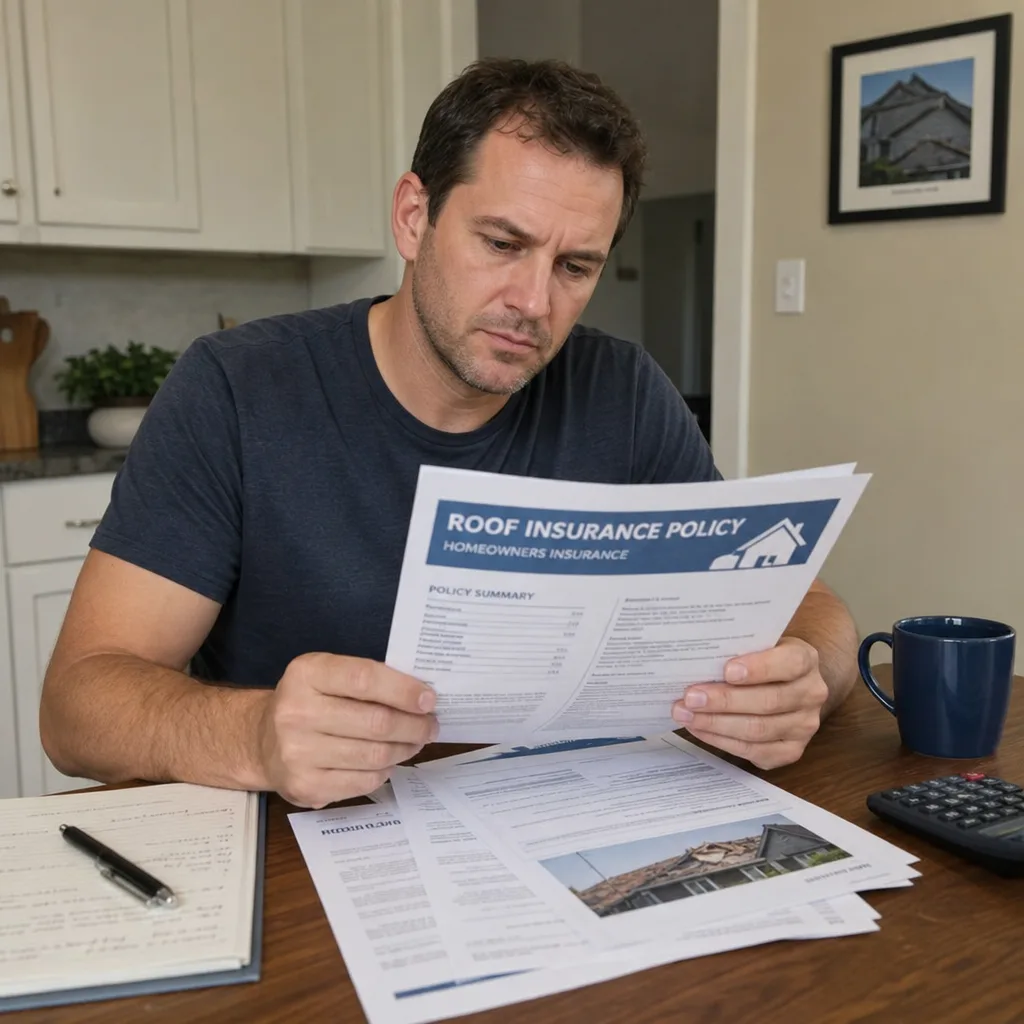
How to get insurance to pay for roof replacement
The key to how to get insurance to pay for roof replacement is showing that the damage came from a covered event and that repairs alone are not enough to restore the roof properly. Insurers generally need clear evidence, timely reporting, and a reasonable scope of work before approving a full replacement.
Start by reviewing your policy before you file. Look for the roof coverage section, deductible amount, exclusions, and whether your policy pays actual cash value or replacement cost value. If your roof was damaged by a recent storm, document the date, take photos from the ground if safe, and avoid making permanent repairs before the damage is inspected.
A strong claim usually includes:
Prompt notice to the insurer
Report the damage as soon as reasonably possible. Waiting too long can make it harder to connect the damage to a specific storm or event.
Clear documentation
Take photos of visible damage, interior leaks, ceiling stains, damaged gutters, missing shingles, and debris. Save receipts for emergency tarping or temporary repairs.
A professional roof inspection
A qualified roofer can identify damage that may not be obvious from the ground. Their report can help clarify whether the roof needs repair or replacement.
A detailed estimate
The estimate should describe materials, labor, affected roof areas, code-related items when applicable, and why the recommended work is necessary.
Consistent communication
Keep notes from phone calls, emails, adjuster visits, and claim updates. Save claim numbers and copies of every document you submit.
If the insurance company approves only a repair but your contractor believes replacement is necessary, ask for a written explanation. You may be able to submit additional documentation, request a reinspection, or ask about the policy’s dispute options.
The insurance claim process for roof damage
The insurance claim process can feel complicated, but it generally follows a predictable path. Knowing the steps ahead of time helps you avoid missed deadlines, incomplete paperwork, and confusion about who is responsible for what.
First, you identify damage and protect the home from further loss. That may mean placing a tarp over an active leak or moving belongings away from water intrusion. Insurance policies often require homeowners to take reasonable steps to prevent additional damage, but those temporary repairs should be documented carefully.
Next, you file the claim with your insurance company. The insurer assigns a claim number and usually schedules an adjuster inspection. The adjuster reviews the roof, related exterior components, and sometimes interior damage if water entered the home.
After the inspection, the insurance company issues a coverage decision. If approved, you may receive an estimate, payment explanation, and details about your deductible and depreciation. If denied or partially approved, the company should explain why.
A simplified timeline looks like this:
- Damage discovered: You notice leaks, missing shingles, granule loss, dents, or storm impact.
- Temporary protection: You prevent further damage and save receipts.
- Claim filed: You provide the date of loss and basic damage details.
- Inspection completed: An adjuster and possibly your contractor review the roof.
- Decision issued: The insurer approves, partially approves, or denies coverage.
- Repairs or replacement begin: Work starts after you understand the payment terms and contractor agreement.
- Final documents submitted: In replacement cost policies, final invoices may be needed to release recoverable depreciation.
This process varies by policy and insurer, so read each notice carefully and ask questions when something is unclear.
Roof repair insurance versus roof replacement insurance
Roof repair insurance applies when the covered damage can be reasonably fixed without replacing the whole roof. Roof replacement insurance may apply when covered damage is widespread, repairs would not restore the roof’s function, or matching and structural concerns make replacement the appropriate solution under the policy.
For example, a few missing shingles after a wind event may lead to a repair claim. Widespread hail impacts across multiple slopes may support a hail damage roof insurance claim for more extensive work. The final decision depends on the inspection findings, policy language, local repair standards, and the insurer’s assessment.
Homeowners sometimes assume replacement is guaranteed once they file a claim, but that is not how most policies work. The insurer is evaluating whether covered damage occurred and what amount is owed under the contract. A contractor’s inspection can be helpful, but it does not automatically replace the insurer’s coverage determination.
Understanding roof replacement costs and deductibles
Roof replacement costs can vary widely based on roof size, slope, materials, decking condition, labor, ventilation, disposal, flashing, permits, and local code requirements. Because of that, it is risky to rely on a generic online number when planning a claim. A detailed local estimate gives you a more realistic view of what the project may require.
Your deductible also matters. If your deductible is high and the damage is minor, the insurance payment may be limited or may not exceed the deductible. If the damage is significant, the deductible is still your responsibility, and the insurance payment is calculated around the covered portion of the loss.
Pay attention to depreciation as well. With actual cash value coverage, the insurer may subtract depreciation based on age and condition. With replacement cost coverage, some depreciation may be recoverable after the work is completed and documentation is submitted, depending on your policy.
Before approving work, ask these questions:
- What is my roof deductible?
- Is my roof covered at actual cash value or replacement cost value?
- Are there separate wind or hail deductibles?
- Are code upgrades covered under my policy?
- Will depreciation be recoverable after the project is finished?
- What documents are needed before final payment is released?
Special considerations for Florida homeowners
If you are searching for how to get insurance to pay for roof replacement Florida, remember that Florida roofing claims can involve unique weather risks, policy conditions, deductibles, and state-specific rules. Hurricanes, tropical storms, wind-driven rain, and hail can all create complicated questions about the cause and timing of roof damage.
Florida homeowners should be especially careful with documentation. Record the date of the storm, save weather-related information when available, and photograph both exterior and interior damage. Because roof condition, age, and prior repairs can become important, keep maintenance records, inspection reports, and invoices in one place.
It is also wise to read your policy before hurricane season and after every renewal. Coverage terms can change, and roof-specific endorsements may affect what is covered. If anything is confusing, ask your insurance agent or insurer to explain it in writing before you have a claim.
Mistakes that can weaken home insurance claims
Home insurance claims often become harder when homeowners wait too long, throw away evidence, or rely on assumptions instead of documentation. Even a valid roof claim can run into delays if the insurer cannot confirm the date, cause, or extent of damage.
Avoid these common mistakes:
- Ignoring small leaks: A small leak can become a larger interior damage issue if left unaddressed.
- Filing without basic documentation: Photos, notes, and receipts help support your version of events.
- Making permanent repairs too soon: Complete emergency protection, but allow the insurer to inspect whenever possible.
- Not reading the estimate: Review what is included, excluded, depreciated, or subject to your deductible.
- Assuming all roof problems are covered: Age, wear, installation defects, and maintenance issues may be excluded.
- Choosing a contractor only on price: Look for clear communication, proper documentation, and a realistic scope of work.
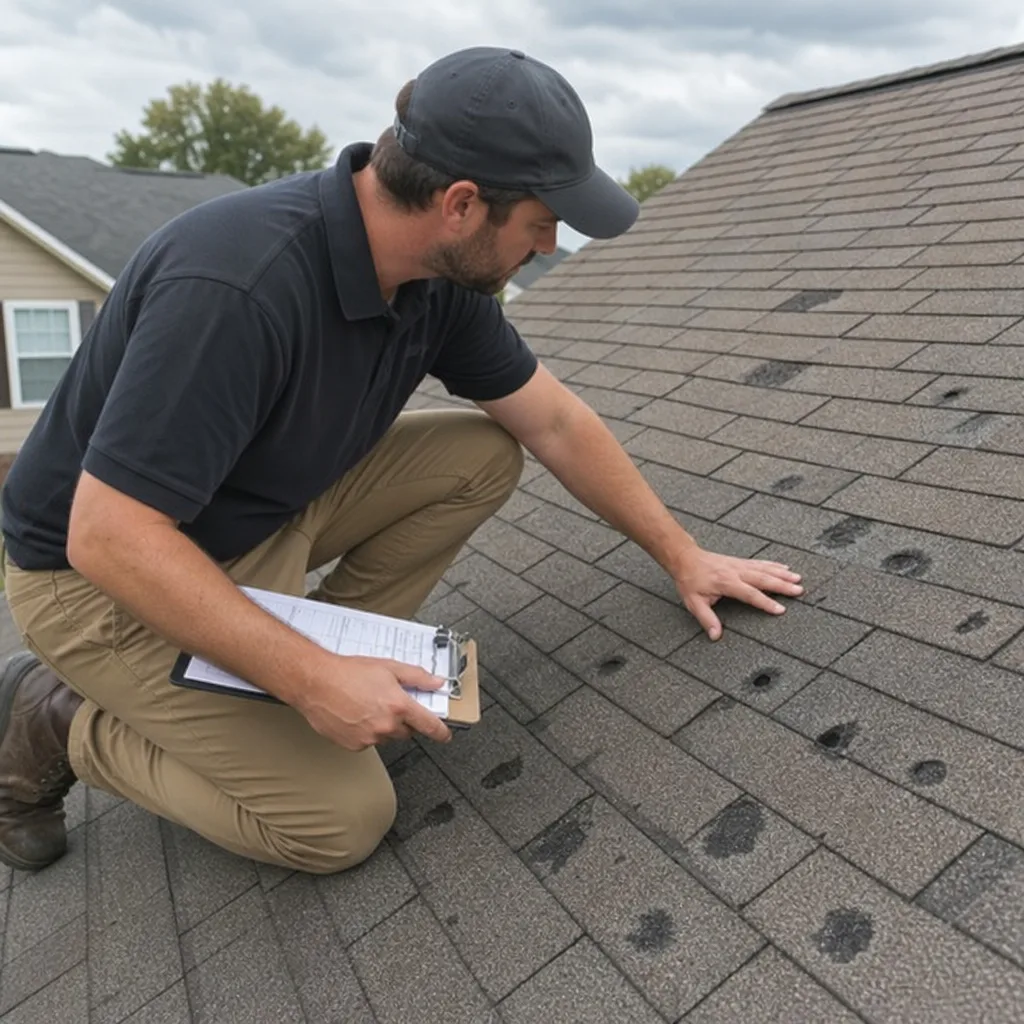
Practical steps after storm damage
When a storm passes, safety comes first. Do not climb onto a wet, steep, or damaged roof. You can still take useful steps from the ground and inside the home.
Use this quick checklist:
- Walk around the property and photograph visible roof, gutter, siding, fence, or debris damage.
- Check the attic and ceilings for water stains, damp insulation, or active leaks.
- Write down the date and approximate time of the storm.
- Save receipts for tarping, water cleanup, or emergency mitigation.
- Schedule a roof inspection with a qualified professional.
- Review your policy deductible before filing.
- File the claim if the damage appears to exceed your deductible and may be covered.
- Keep all communication organized by claim number.
For a hail damage roof insurance claim, look beyond the shingles. Hail may also dent gutters, downspouts, vents, metal flashing, skylights, and soft metals. Those details can help show the pattern and severity of the storm impact.
A clearer policy makes for a calmer claim
Understanding your roof coverage before damage happens is one of the best ways to reduce stress later. Review your policy, know your deductible, keep maintenance records, and document storm damage carefully when it occurs.
Insurance is not meant to cover every roof expense, but it can be a valuable resource when a covered event causes real damage. With the right documentation, a careful inspection, and a clear understanding of the insurance claim process, you can approach roof insurance claims with more confidence and make better decisions about repair or replacement.
Need a roof inspection?
Wisco Roofing & Exteriors can inspect the roof, explain what we see, and recommend a practical next step for your property.
Explore storm damage roofing and roof inspection services